
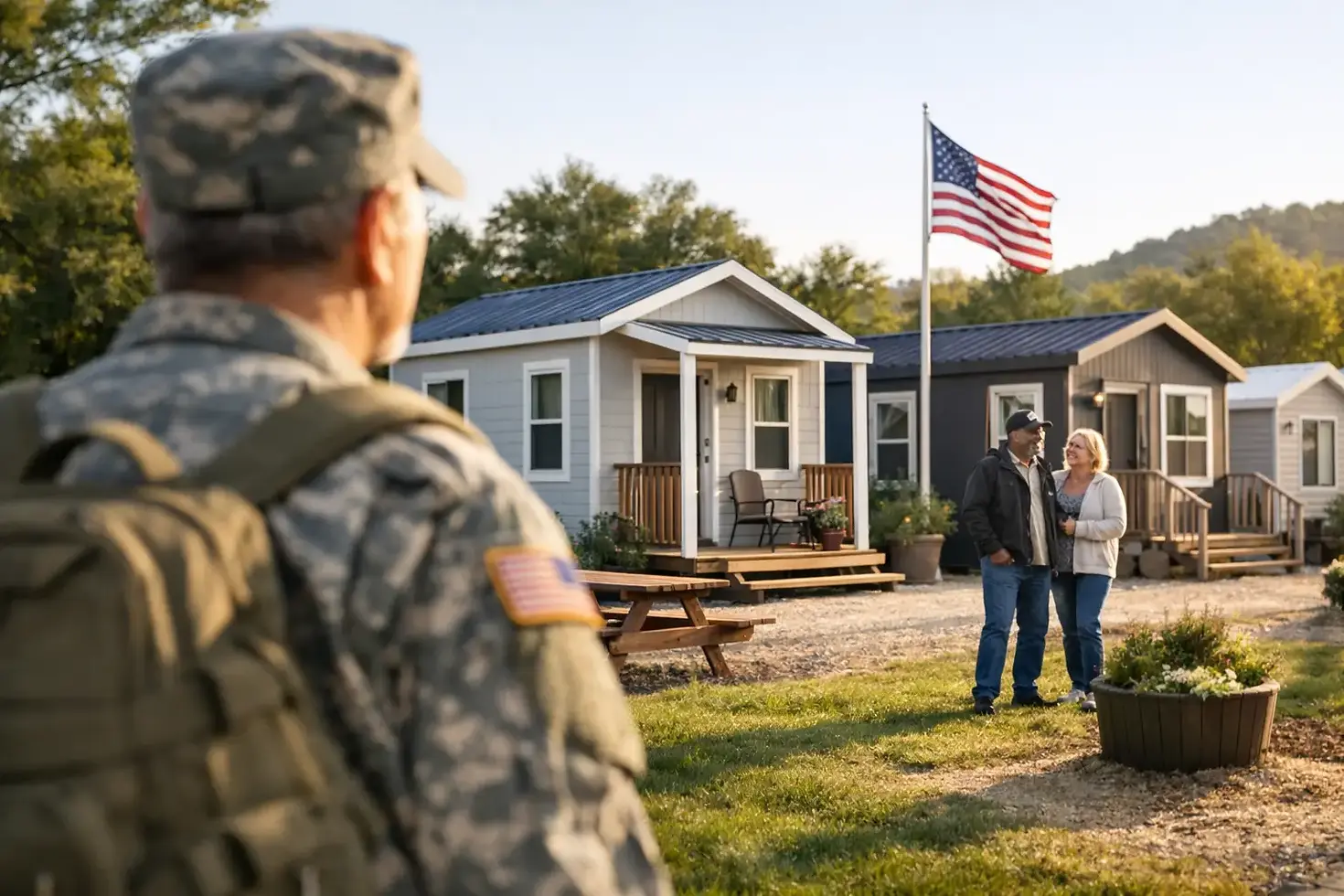
Mobile Housing for Veterans Creates a Way Home
A veteran should not have to choose between sleeping in a vehicle, staying in an unsafe place, or being separated from family. Mobile housing for veterans offers a practical answer when traditional housing is unavailable, waitlists are long, or a person needs a safe place now. A refurbished RV can become more than a vehicle. It can be a locked door, a warm bed, a working kitchen, and the breathing room needed to begin again.
For veterans facing housing instability, shelter is not a small detail. It is the foundation for getting to medical appointments, holding a job, reconnecting with family, managing benefits, and recovering from the strain of homelessness. Our veterans served when their country called. When they need a place to live, our communities should answer with action.
Why mobile housing for veterans matters
Homelessness among veterans is rarely caused by one event. A job loss, an injury, untreated trauma, rising rent, a family crisis, or the difficult transition from military to civilian life can quickly become a housing emergency. Even veterans with work experience, discipline, and a strong desire to move forward can find themselves priced out of a rental market with few affordable options.
Permanent housing is the goal whenever possible, but it does not always arrive quickly. Applications, deposits, background checks, availability, and transportation can create barriers that leave people waiting. A safe RV can bridge that gap. In some cases, it provides temporary shelter while a veteran secures a more permanent home. In others, it offers longer-term stability for someone whose needs and circumstances make conventional housing difficult to sustain.
This approach is not a substitute for every form of housing assistance. An RV requires a legal place to park, access to utilities when possible, ongoing maintenance, and a plan that respects local rules. But when those pieces are in place, mobile housing can provide a fast, personal, and dignified option for veterans who cannot afford to wait.
An unused RV can become a home
Across East Texas and beyond, many RVs sit unused in driveways, storage lots, and backyards. Their owners may no longer travel, may have upgraded, or may simply be unsure what to do with an older unit. Donating that RV can turn an idle asset into a direct response to veteran homelessness.
The transformation takes work. A donated RV must be inspected, repaired, cleaned, and equipped for safe living. Mechanical systems, tires, brakes, plumbing, electrical connections, heating, cooling, windows, flooring, appliances, and basic furnishings all matter. A vehicle is not ready because it looks good from the outside. It is ready when a veteran can live in it safely and with dignity.
That is why community support is essential. Skilled volunteers can repair damaged components. Local businesses can donate materials, labor, services, or storage. Financial donors can help cover repairs, insurance, licensing, propane, supplies, and the many costs that arise between receiving an RV and placing it with a veteran.
RVs 4 Heroes puts this model into practice by converting donated or purchased recreational vehicles into livable homes for veterans in need. The impact is visible: a vehicle that was sitting unused becomes a safe place where someone who served can rest, regroup, and move forward.
Stability changes what is possible
Housing does more than protect someone from the weather. It changes the decisions a veteran can make each day. When a person has a reliable place to sleep, store belongings, shower, prepare food, and receive mail, the next steps become more manageable.
A stable address or consistent location can make it easier to apply for jobs and benefits. A quiet place can support recovery after medical treatment. A secure home can help a veteran reconnect with children, a spouse, friends, faith communities, and support networks. These outcomes are not guaranteed by an RV alone, but safe shelter creates the conditions where progress has room to take hold.
There are trade-offs, and honesty matters. RV living is compact. It requires upkeep. It may not be ideal for every veteran, especially those with significant mobility needs or large families. Placement also depends on available sites and local regulations. Yet for a veteran who has been sleeping in a car, couch surfing, or staying outdoors, a clean and functional RV can be a life-changing step forward.
What it takes to make a placement successful
The strongest mobile housing programs do not stop at handing over keys. They consider the full picture: the condition of the RV, where it will be located, what support the veteran needs, and how the home will remain safe over time.
A successful placement begins with a dependable unit. Water leaks, broken heat, unsafe wiring, and failing tires cannot be ignored. Refurbishment is an act of respect. It tells a veteran that the community is not offering leftovers, but a home prepared with care.
The next challenge is location. A safe and permitted parking arrangement is often as important as the RV itself. Access to electricity, water, sanitation, transportation, and nearby services can determine whether the home offers true stability. Partnerships with landowners, churches, businesses, campgrounds, and local service providers can help create better options.
Finally, veterans benefit most when housing is connected to the resources that support independence. That may include employment assistance, health care, disability services, counseling, food support, transportation, or help navigating benefits. Housing is the foundation, not the finish line.
How East Texas can help veterans come home
This mission needs more than good intentions. It needs people willing to contribute something practical. Every donated RV, repaired water line, set of tires, tank of propane, and financial gift can move a veteran closer to stable shelter.
If you own an RV that no longer serves your family, consider what it could mean to someone who needs a home. Even an older unit may have value if it can be repaired or used for parts. Before donating, gather what you know about its condition, title, age, and major repairs. Clear information helps a nonprofit determine whether the RV can be safely restored and placed.
If you do not have an RV to give, financial support is equally vital. Refurbishment costs are real, and cash donations provide flexibility when a unit needs unexpected repairs or a veteran needs immediate housing help. Businesses can make a lasting difference by donating skilled labor, building materials, appliances, towing, storage, campground services, or professional expertise.
Volunteer time matters, too. Some people can repair plumbing or electrical systems. Others can clean interiors, paint cabinets, organize supplies, inspect donated items, transport vehicles, or simply help spread the word. A community does not need everyone to do the same job. It needs people to bring what they can.
A direct way to honor service
Supporting veterans should be more than a promise made on patriotic holidays. It can be a repaired roof, a stocked pantry, a working air conditioner during an East Texas summer, or a safe place to sleep tonight. Mobile housing gives supporters a direct way to see where their help goes and why it matters.
When a veteran receives a livable RV, the message is clear: you are not forgotten, and you do not have to face this moment alone. That kind of support is practical, but it is also deeply personal.
The next RV sitting unused in a driveway could become someone’s first safe night in months. If you have a vehicle, a skill, a business resource, or the ability to give, put it to work for a veteran who deserves a way home.


Comments