_edite.png)
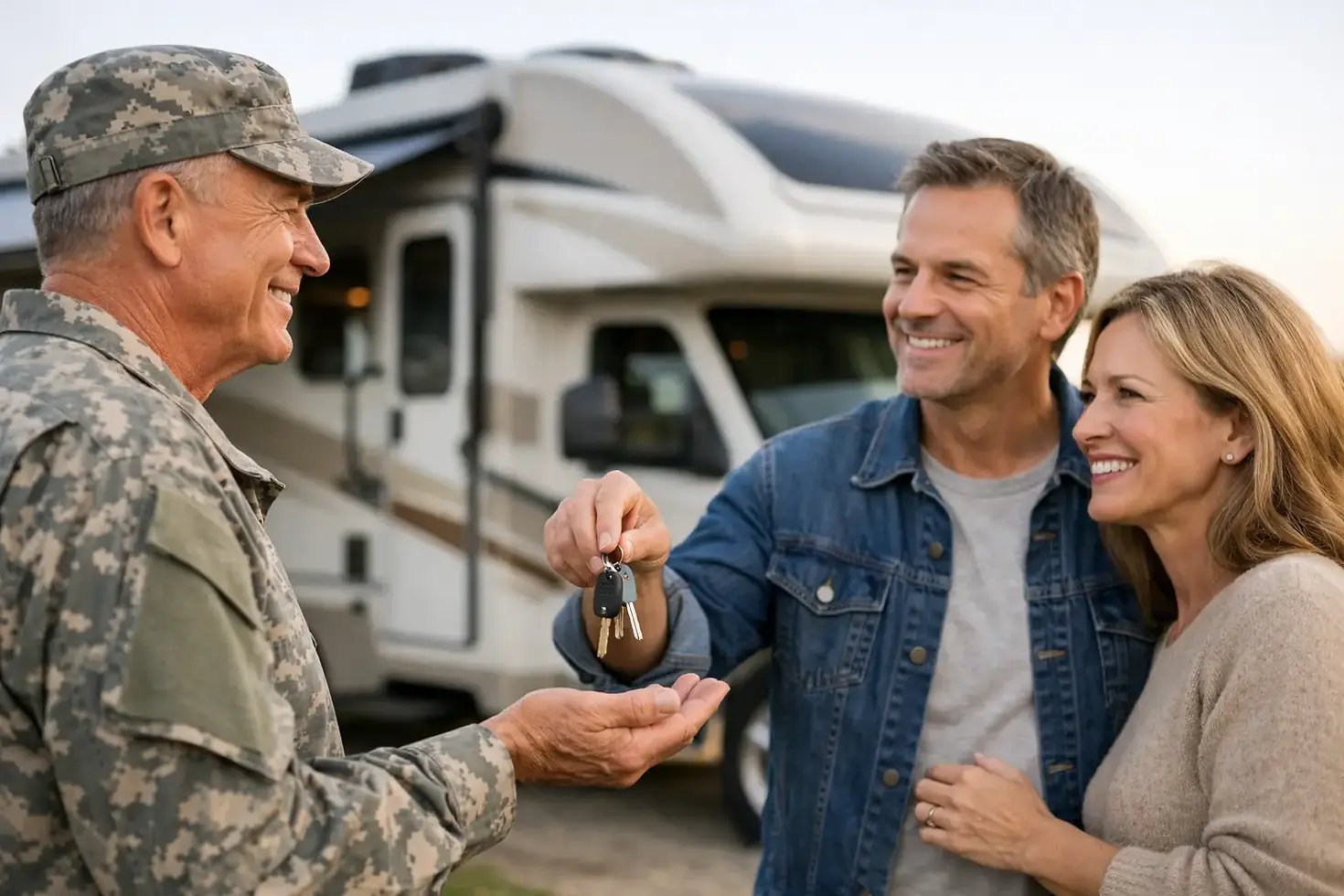
RV Donation Charity for Veterans That Works
An unused RV can sit for months in a driveway, lose value, and become one more thing to maintain. For a veteran without stable shelter, that same vehicle can mean safety, privacy, and a real chance to start again. That is why an rv donation charity veterans model matters - it turns a parked asset into a practical home for someone who served this country.
Veteran homelessness is not an abstract issue. It is a local problem with real names, real families, and real consequences. When a veteran does not have a safe place to sleep, every other part of rebuilding life becomes harder. Keeping a job, managing health needs, getting to appointments, reconnecting with family, and handling the stress of civilian transition all depend on one basic thing first: stable shelter.
That is where RV donation stands apart from many other forms of giving. It is direct. It is visible. It solves a real problem in a way people can understand the moment they see it. A donated RV is not just a tax-time gesture or a symbolic act of support. With the right repairs and preparation, it can become a clean, secure living space for a veteran who needs immediate housing.
Why RV donation charity veterans support is so practical
Many charitable causes do meaningful work, but not every donation creates a result you can point to. With an RV, the impact is tangible. A vehicle that might otherwise sit unused can be refurbished, made livable, and placed with a veteran in need. Donors can understand exactly what their gift helps provide: a roof, a door that locks, a bed, a kitchen, a bathroom, and a place to regroup.
That kind of practical support matters because homelessness is often made worse by time. The longer someone goes without stable housing, the harder it becomes to recover. RV-based housing can shorten that gap. It can offer temporary stability while a veteran works toward permanent housing, or in some cases provide a longer-term solution that is safer and more dignified than unstable alternatives.
There is also a strong stewardship argument for this model. An older RV may no longer fit a family’s travel plans, but it can still serve a mission. Instead of letting that asset depreciate or deteriorate, a donor can put it to work in service of someone who has already given a great deal to this nation.
What makes a donated RV valuable
People sometimes assume only newer, high-end motorhomes can help. That is not always true. In an rv donation charity veterans program, usefulness matters more than luxury. A travel trailer, fifth wheel, camper, or motorhome can all have value if the structure is sound and the basics can be restored.
Condition still matters, of course. A unit with severe frame damage, major water intrusion, or missing core systems may require more resources than a nonprofit can realistically invest. But many RVs fall into a middle ground. They may need flooring, plumbing fixes, electrical work, cleaning, appliance repair, or cosmetic updates. Those are often solvable problems when a community steps in with labor, parts, and financial support.
That is one reason this work resonates so strongly with local donors and volunteers. People do not just give and walk away. They can often see the transformation happen. An RV comes in worn and neglected. Skilled hands repair it. Volunteers clean it. Supporters cover materials. Then a veteran receives a safe place to live. It is a clear line from generosity to outcome.
How the process usually works
The best veteran-focused RV housing nonprofits keep the process simple. A donor reaches out about an available RV. The organization reviews the vehicle, its condition, title status, and whether it is a realistic fit for housing use. If accepted, the RV is transferred, inspected, repaired as needed, and prepared for placement.
That preparation stage is where the mission becomes real. It is not enough to park an RV and call the problem solved. The unit needs to be clean, functional, and habitable. Systems should work. Safety issues need attention. In many cases, the RV also needs supplies that make day-to-day living possible.
Then comes placement. The goal is not just to hand over keys. It is to give a veteran a stable base from which to rebuild. Sometimes that support works best as transitional housing. Sometimes it helps someone avoid sleeping in a car, couch surfing, or living in dangerous conditions. It depends on the veteran’s situation, local resources, and the organization’s capacity.
This is where a hands-on nonprofit such as RVs 4 Heroes stands out. The mission is not theoretical. It is practical, local, and centered on getting veterans into safe, livable shelter as quickly as possible.
The trade-offs people should understand
A strong rv donation charity veterans program is effective, but honesty matters. RV housing is not a perfect answer to every housing challenge. It is one tool, and like any tool, it works best in the right circumstances.
An RV requires maintenance. It needs a safe location. Utilities, hookups, climate control, and ongoing repairs can affect long-term success. Some veterans may need supportive services beyond housing alone, including medical care, transportation help, job placement, or counseling. Shelter is foundational, but it is not the whole picture.
That does not weaken the case for donating an RV. It strengthens it. Real solutions require realism. A veteran with stable shelter is in a far better position to address the rest of life’s challenges than a veteran without it. An RV may not solve everything, but it can solve the first and most urgent problem: where to live tonight.
Why local support matters so much
Veteran homelessness is often discussed at the national level, but solutions are built locally. Communities know their veterans. They know where the gaps are. They know which businesses can help with repairs, which volunteers can lend skilled labor, and which neighbors are ready to give.
That local connection is one of the greatest strengths of this model. A donor in East Texas can see that an unused RV is not leaving the region to disappear into a distant system. It can stay close to home and help a veteran in the same broader community. That creates accountability, trust, and a stronger sense of shared responsibility.
It also opens the door for more than one kind of contribution. Some people can donate an RV. Others can help fund repairs. Local shops may offer discounted parts or labor. Volunteers can assist with cleanup, repairs, setup, or outreach. A veteran housing mission grows stronger when the whole community treats it as a duty, not someone else’s problem.
Who should consider donating an RV
If you own a camper, travel trailer, fifth wheel, or motorhome that no longer fits your life, it is worth asking whether that vehicle could serve a greater purpose. Maybe it has been sitting unused for years. Maybe you do not want the hassle of selling it. Maybe it needs work, but still has solid bones. Those are exactly the situations where donation can make sense.
The decision is not only financial. It is moral and practical at the same time. You are not just getting rid of something. You are giving a veteran a chance to step out of crisis and into stability. For families who value service, faith, community, and country, that is a meaningful way to honor those who wore the uniform.
Before donating, it is wise to gather basic information about the RV, including title documents, known mechanical or structural issues, and photos if requested. Being upfront about condition helps the nonprofit determine whether the RV is a good fit and how much work it may require. That kind of honesty saves time and helps the organization use resources well.
More than a vehicle, a path forward
The strength of an rv donation charity veterans effort is that it meets urgency with action. It does not wait for perfect conditions or distant policy changes. It starts with what a community already has and turns it into shelter for veterans who deserve better.
There is something deeply American about that. A neighbor sees a need. A community answers it. A veteran receives not just sympathy, but a place to close the door, rest, and begin again. That is the kind of support people remember because they can see it, touch it, and know it made a difference.
If you have an RV you no longer use, or if you have the means to help restore one, this is one of the clearest ways to serve those who have served us. A safe place to live can change the direction of a life, and sometimes that change starts with a set of keys.


Comments