_edite.png)
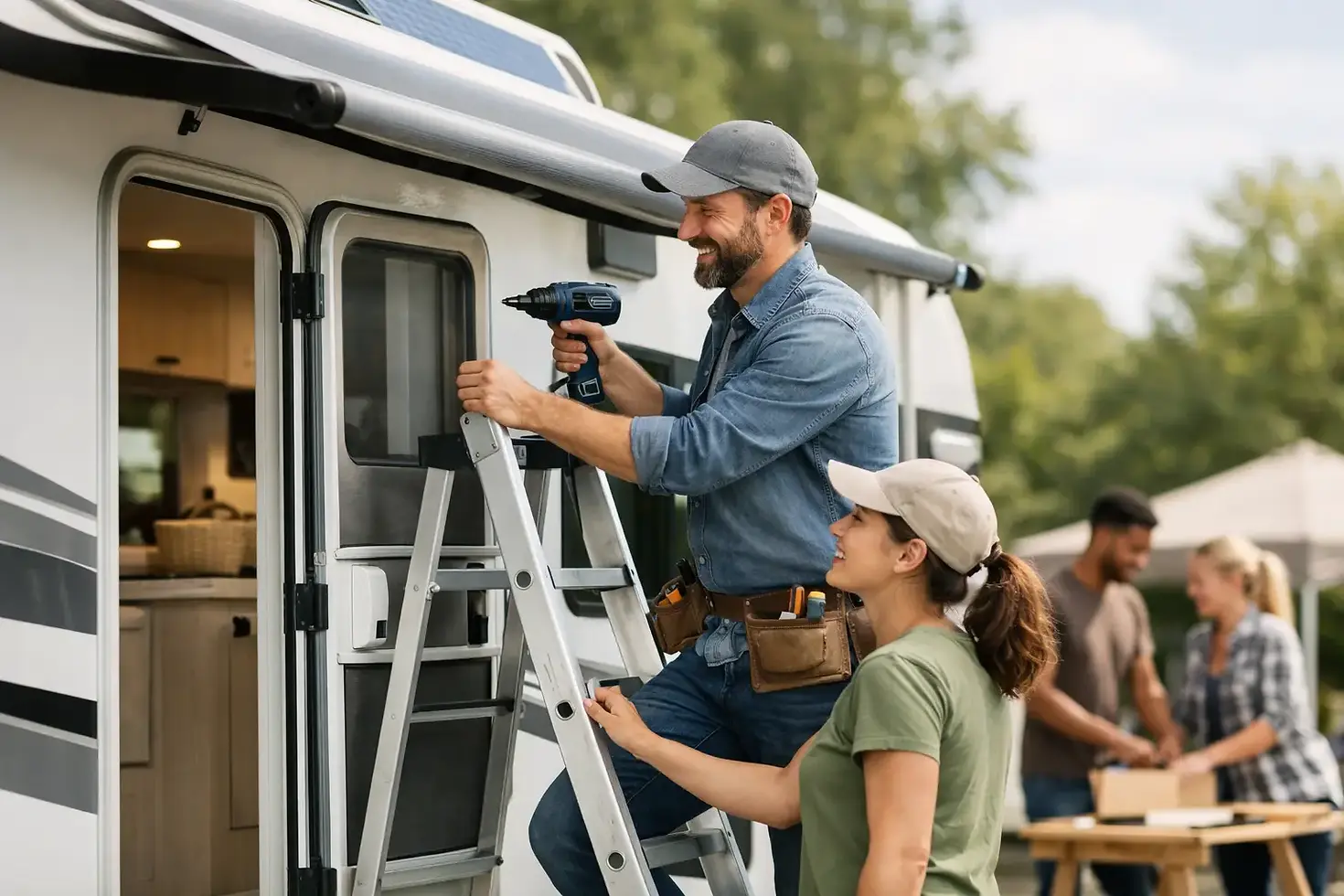
RV Renovation for Housing Charity That Works
A donated RV sitting in a yard can look like a problem. For a veteran without stable shelter, it can become the start of a safer life. That is what rv renovation for housing charity is really about - taking something underused, worn down, or forgotten and turning it into a real place to sleep, recover, and rebuild.
For communities that believe our veterans deserve better, this model makes sense fast. It is practical, visible, and immediate. Instead of waiting months or years for large housing projects, a donated or purchased RV can be repaired, cleaned, upgraded, and placed into service far more quickly. The result is not theory. It is a roof, a door that locks, a bed, working heat or air, and a place to begin again.
Why rv renovation for housing charity matters
Veteran homelessness is not an abstract issue. It shows up in local parking lots, on couches borrowed for a few nights, in motels that drain what little money is left, and in the constant stress of not knowing where to go next. Stable housing changes what is possible. It gives someone a mailing address, a place to keep medication, a way to rest, and the breathing room needed to pursue work, benefits, medical care, and family reconnection.
That is why RV-based housing support carries real weight. An RV is not the same as a traditional apartment, and it will not fit every situation. But for many veterans, especially those needing transitional housing or fast placement, it can be a strong and dignified option. It offers privacy that shelters often cannot. It can be deployed more quickly than conventional housing development. And when a community steps in with donated labor, materials, and expertise, the transformation can happen with surprising speed.
There is also something powerful about the reuse itself. A vehicle that may have been headed toward neglect, resale at a loss, or permanent storage is instead repurposed into a place of safety. Donors can see exactly where their support goes. Volunteers can point to repaired floors, new plumbing lines, patched roofs, fresh paint, and rebuilt electrical systems and know those hours meant something concrete.
What makes an RV livable enough to become a home
Not every RV is ready for placement, and not every renovation should move forward. That is where honest evaluation matters. A housing-focused renovation is different from a cosmetic refresh meant to improve resale value. The goal is not trendy finishes. The goal is safety, function, durability, and dignity.
The first question is structural soundness. If the roof leaks badly, if the floor is soft from water damage, or if the frame has serious issues, the project may require more labor and cost than the unit can justify. Sometimes a donated RV is a good candidate for full refurbishment. Other times it is better used for parts to support another build. Good stewardship means knowing the difference.
When an RV does make sense to save, the work usually starts with the basics. Water intrusion has to be stopped. Mold has to be removed properly. Plumbing and electrical systems must be inspected and repaired to safe working order. Appliances need to function reliably, especially refrigeration, heating, and cooling in a hot East Texas climate. Doors and windows need to secure properly. A veteran placed in the unit should not inherit a list of unresolved hazards.
There is also the question of comfort. A housing unit should not feel like a leftover afterthought. Clean surfaces, working lights, dependable sanitation, a mattress in good condition, and storage for personal belongings all matter. Small details can restore a sense of stability faster than people realize. When someone has been living in uncertainty, simple order feels like relief.
The real work behind an RV renovation for housing charity
From the outside, people sometimes imagine this process as a quick cleanup and a coat of paint. The truth is more hands-on. An effective RV renovation for housing charity often involves mechanics, electricians, plumbers, carpenters, cleaners, suppliers, and volunteers all contributing in different ways.
Some projects begin with a donated RV that has been parked for years. Tires may be dry-rotted. Batteries may be dead. Water lines may crack the first time pressure is restored. Roof seals may have failed long ago. Interior materials can hide damage until cabinets are removed or flooring is pulled up. This is why practical experience matters. The work has to go deeper than what looks good in a photo.
At the same time, speed still matters because the need is urgent. That creates a balance. A charity cannot spend endlessly on a single unit, but it also cannot cut corners that leave a veteran in unsafe conditions. The best projects focus on what truly affects livability and long-term use. Fancy upgrades can wait. Reliable systems cannot.
That is where local partnerships become a force multiplier. A repair shop may donate labor on brakes or axles. A hardware supplier may contribute sealant, lumber, or fixtures. Volunteers may handle demolition, cleanup, painting, or hauling. Skilled tradespeople can take on the technical jobs that require licensing or deeper expertise. This kind of community effort keeps costs manageable while raising the standard of what each unit can become.
Who can help make these projects happen
One of the strongest parts of this model is that people can contribute in more than one way. Some supporters have money to give. Others have an unused RV, a set of tools, trade skills, building materials, or simply a Saturday morning to work. All of it matters.
RV owners are often in a unique position to help. A camper or motorhome that no longer fits family travel plans may still have years of useful life left with the right repairs. Even units that need substantial work can become worthwhile donations if their core structure is solid. For an owner, donating can be a way to turn storage burden into direct service for a veteran.
Businesses also have a clear role. Contractors, repair shops, auto parts suppliers, HVAC technicians, electricians, and flooring companies can provide the kind of practical support that moves a project from stalled to finished. Faith communities, civic groups, and veteran organizations can supply volunteers, raise funds, and help spread the word to people who have something useful to give.
And for neighbors who do not own an RV or a business, there is still meaningful work to do. Cleaning, organizing supplies, preparing interiors, transporting materials, and supporting placement efforts can all reduce the load on a small nonprofit team. Mission-driven work is rarely carried by one person. It gets done because a lot of people decide to show up.
Why this model resonates with communities that want direct impact
People want to know their support makes a difference. That is especially true when the need is urgent and close to home. Housing-focused RV renovation gives communities a visible answer. You can stand inside the result. You can see the repaired sink, the working lights, the stocked pantry shelf, and the made bed. You can understand exactly what changed.
That visibility builds trust. It also builds momentum. When people see an old RV become a safe place for a veteran to live, they understand that their donations are not disappearing into paperwork or vague promises. They are becoming shelter.
This does not mean RV housing replaces every other form of support. It does not. Veterans may still need job assistance, medical care, counseling, transportation, and long-term housing plans. But shelter comes first. Without it, every other step gets harder. With it, progress becomes more realistic.
That is why organizations like RVs 4 Heroes meet such a practical need. They take a solvable problem - an underused vehicle and a veteran who needs housing - and bring a community together to do something about it.
The strongest support often starts with a simple decision: not to look away. If you have an RV, a skill, a business, or a willingness to help, that unused asset may be closer to a solution than you think. For a veteran waiting on stable shelter, the next repaired RV is not just a project. It is a chance to come home to safety.


Comments